
Course Description
Archives have always been format agnostic and nothing has changed with the introduction of born-digital materials (born-digital materials are those that began life on a computer, rather than as digitized surrogates of real-world artifacts). Managing archives and providing access to them requires a toolkit of flexible strategies and standards that archivists can deploy based on a shifting landscape of institutional priorities and realities. We will explore the range and utility of existing archival standards and approaches to integrate management of born-digital materials into the broader endeavor of keeping archives. Strategies for managing or incorporating digitized surrogates into archival finding aids will not be discussed in any detail. This course assumes a basic understanding of archives and archival management, and builds on concepts introduced in L-95: Born-Digital Materials in Special Collections, though that course is not a prerequisite. Although we welcome students with varying levels of experience and expertise, in their personal statements applicants should briefly describe any experience they have with born-digital materials (including coursework), tell us about repositories or institutions where they’ve worked with archives, and describe specifically their familiarity with archival description and standards. Most exercises require the use of a computer, and students admitted to this course are expected to bring a laptop to class each day. Lack of access to a laptop should not prevent you from applying to the course, but please indicate in your personal statement if you do not have ready access to a laptop that you can bring with you for the week.Faculty
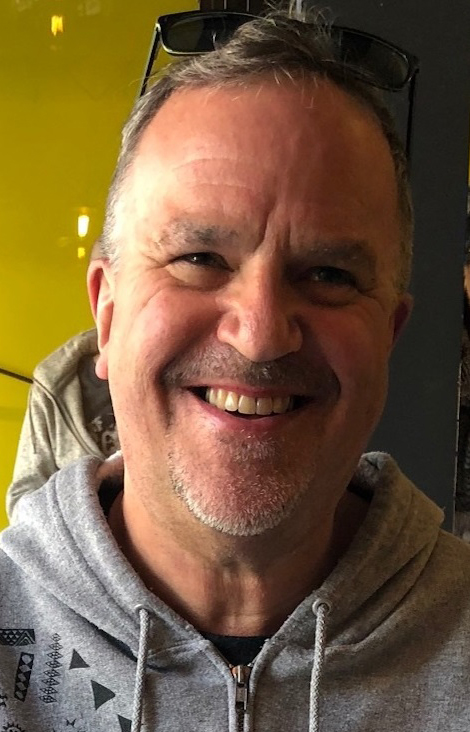
Bill Landis
Bill Landis is Associate Director for Public Services in Manuscripts & Archives, a department of the Yale University Library. His professional interests and experiences are in archives and digital libraries, especially …
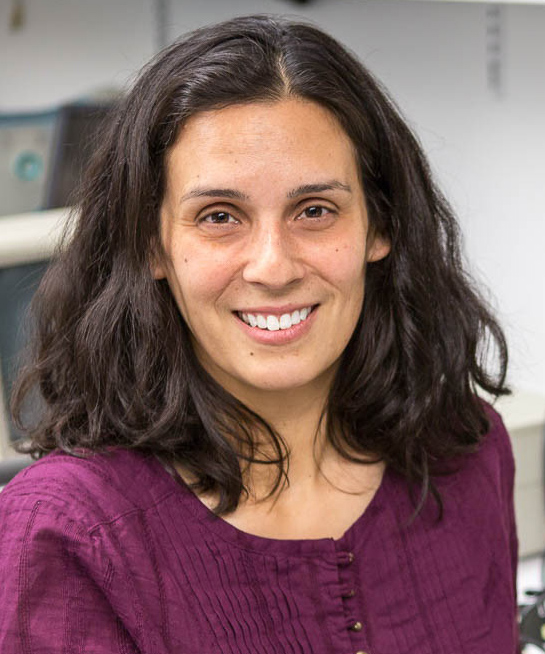
Gabriela Redwine
Gabriela Redwine is Digital Archivist at the Beinecke Rare Book & Manuscript Library at Yale University. Before coming to Yale she was Archivist and Metadata/Electronic Records Specialist at the Harry …
Advance Reading List
Required Readings
Students should read these materials in advance of the course and come to New Haven with outstanding questions, if any, about these readings. These readings provide key overviews to various facets of archival practice and born-digital materials that will inform our work during the week of the course. Some of them present a broader perspective than what the course will cover.
Descriptive Standards
Describing Archives: A Content Standard (DACS), Second Edition. Chicago: Society of American Archivists, 2013 (revised March 2015). Available in both web and PDF versions. We will be working extensively during the course with this descriptive content standard for archivists in the United States, which is based on the General International Standard Archival Description (ISAD(G)). Before coming to the course in New Haven, please read the following sections: “Preface” (pp. vii–xii); “Statement of Principles” (pp. xv–xix); “Overview of Archival Description” (pp. xxi–xxiv); “Introduction to Describing Archival Materials” (pp. 3–5); and “Chapter 1. Levels of Description” (pp. 7–11).
Descriptive Cataloging of Rare Materials (Manuscripts). Chicago: Rare Books and Manuscripts Section of the Association of College and Research Libraries, 2016. This new standard for describing single, unpublished, modern manuscripts serves as an interesting companion standard for DACS and is useful as an example of one tool that can be leveraged by archivists describing born-digital records. Before coming to the course in New Haven, please read the following sections of DCRM(MSS): “Preface” (pp. 7–8); “Introduction” (pp. 13–27).
Archival Processes and Born-Digital Materials
The SAA Trends in Archives Practice modules can be purchased individually or bundled.
Barnard, Megan and Gabriela Redwine. “Collecting Digital Manuscripts and Archives” (Trends in Archives Practice, Module 15). In Appraisal and Acquisition Strategies, edited by Michael J. Shallcross and Christopher J. Prom, 72–116. Chicago: Society of American Archivists, 2016. This module explores the challenges of collecting digital manuscripts and archives and integrating them into existing collection development practices.
Daines, J. Gordon, III. “Processing Digital Records and Manuscripts” (Trends in Archives Practice, Module 2). In Archival Arrangement and Description, edited by Christopher J. Prom and Thomas J. Frusciano, 90–143. Chicago: Society of American Archivists, 2013. Daines explores the workflows and steps in archival processing practices and discusses how to expand standard practices to accommodate digital records and manuscripts. This class will not discuss the OAIS Reference Model in depth; general familiarity with the framework is fine.
Dooley, Jackie. The Archival Advantage: Integrating Archival Expertise into Management of Born-digital Library Materials. Dublin, Ohio: OCLC Research, 2015. This essay explores archival expertise in the larger context of managing born-digital materials in a library setting.
Light, Michelle. “Designing a Born-Digital Archive.” Presentation at Time Will Tell, but Epistemology Won’t: In Memory of Richard Rorty. 14 May 2010. The notes included with the slides for Light’s presentation provide an excellent description and analysis of the University of California at Irvine’s approach to processing and providing access to the born-digital materials in Richard Rorty’s papers.
Course Evaluations
Course History
- 2017–
Bill Landis & Gabriela Redwine co-teach this course.