
Course Description
This course explores the interplay between books as physical objects and their digital counterparts. The materials focused on will include Western manuscripts and printed books up to 1600, and non-Western (Middle Eastern, South Asian, and Southeast Asian) manuscripts through the twentieth century, drawing on the strengths of the Kislak Center for Special Collections, Rare Books, and Manuscripts. The course is designed for students who are curious about how digitization is reshaping the study of early books.
Together, we’ll tackle questions like:
- What is a book? We’ll examine different formats of manuscripts and early printed works to understand how their materiality shapes meaning.
- What happens when a book is digitized? We’ll look at the digitization process (including a visit to SCETI, Penn Library’s digitization lab), explore advanced imaging techniques like 3D and multispectral imaging, and discuss how digital versions can alter our interactions with books.
- How do we describe and work with digitized books? You’ll learn about metadata, tools for digital projects, and handwritten text recognition (HTR).
- How can we visualize book data? We’ll experiment with digital tools and creative hands-on methods, like bookbinding and crafting (embroidery, knitting, and counted cross-stitch).
A thread running through the course will be a comparison of specific physical books with their digital versions, offering a unique chance to see firsthand what’s gained and lost in the transition from physical to digital.
Students should plan to bring a laptop with them to class.
This course is aimed at graduate students, faculty, and librarians with an interest in pre-1600 books and digitization. In their personal statement, applicants should indicate their background, special interests, and expectations from the course. They should clearly state their experience working with manuscripts and early books or related courses they have taken, as well as any experience using digital technologies. Although it is expected that some students will have some technological experience, it is not a requirement for the course.
Faculty
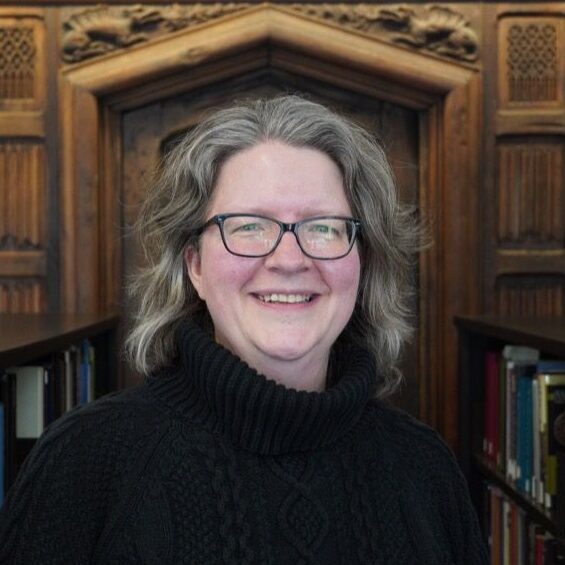
Dot Porter
As Curator of Digital Research Services at the Schoenberg Institute for Manuscript Studies, Dot Porter works with a wide-ranging digital humanities research and development team within the context of a …
Course Evaluations
Course History
-
2025-
Dot Porter teaches this course in person.