
Course Description
Length: 10 hours Format: Online Each session in this 10-hour course will present multiple approaches to the study of connected textual histories. By following the trajectories of a work, a text, or a word, we will investigate the different meanings and stakes involved in various textual migrations, including translations, editions, revisions, and illustrations. The course will address several fundamental questions: How were words that were spoken by Indigenous peoples transcribed, translated, and printed in European texts at the time of the “discoveries” and colonization? How did certain works become “globalized”? What were the reasons for the transformations of the “same” work’s significance? How might the mobility of the meaning and the materiality of the text be associated? The new global history has brought an ever-increasing scholarly focus on exchanges, on trade and colonialism, and on the movements of peoples, ideas, and goods in and across spaces. In our course, we will investigate what these approaches may mean for book history. We will focus upon topics including textual geographies (geographies of the book and geographies within books), textual migrations between genres and languages, the circulation of images and illustrations, maps, and the relationships between orality and print. Our week will center upon studies of texts and books from the early modern period with complex connected histories. Each day will be divided into three parts: 1) a lecture, 2) a close reading (or viewing) of primary materials from the Kislak Center for Special Collections, Rare Books and Manuscripts at the University of Pennsylvania, 3) a discussion including references to the works or works-in-progress of the course participants. Admitted students will be supplied with optional readings closer to the start of the course; there are no readings that must be completed in advance. Topics Monday, 14 June 2021 Translations: Words, Lists, and Texts. Columbus, Léry, Montaigne Tuesday, 15 June 2021 Text and Images: Las Casas (1552–1822) Wednesday, 16 June 2021 Edition as Translation: Shakespeare (1593–1790) Thursday, 17 June 2021 Global Cervantes: Don Quixote of La Mancha Friday, 18 June 2021 Maps: Travels, Trade, Knowledge, Fiction Click here to view the course description for the in-person version of this course, “Textual Mobilities: Works, Books & Reading Across Early Modern Europe.”Faculty
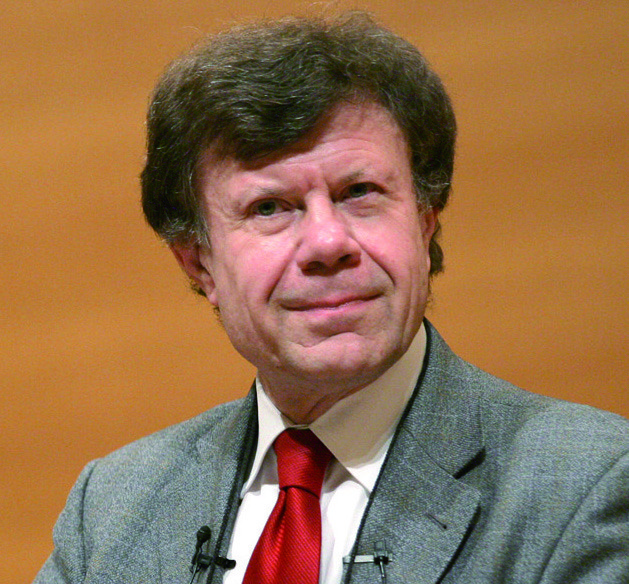
Roger Chartier
Roger Chartier is a Professeur in the Collège de France, Directeur d’études at the École des hautes études en sciences sociales, and Annenberg Visiting Professor of History at the University …
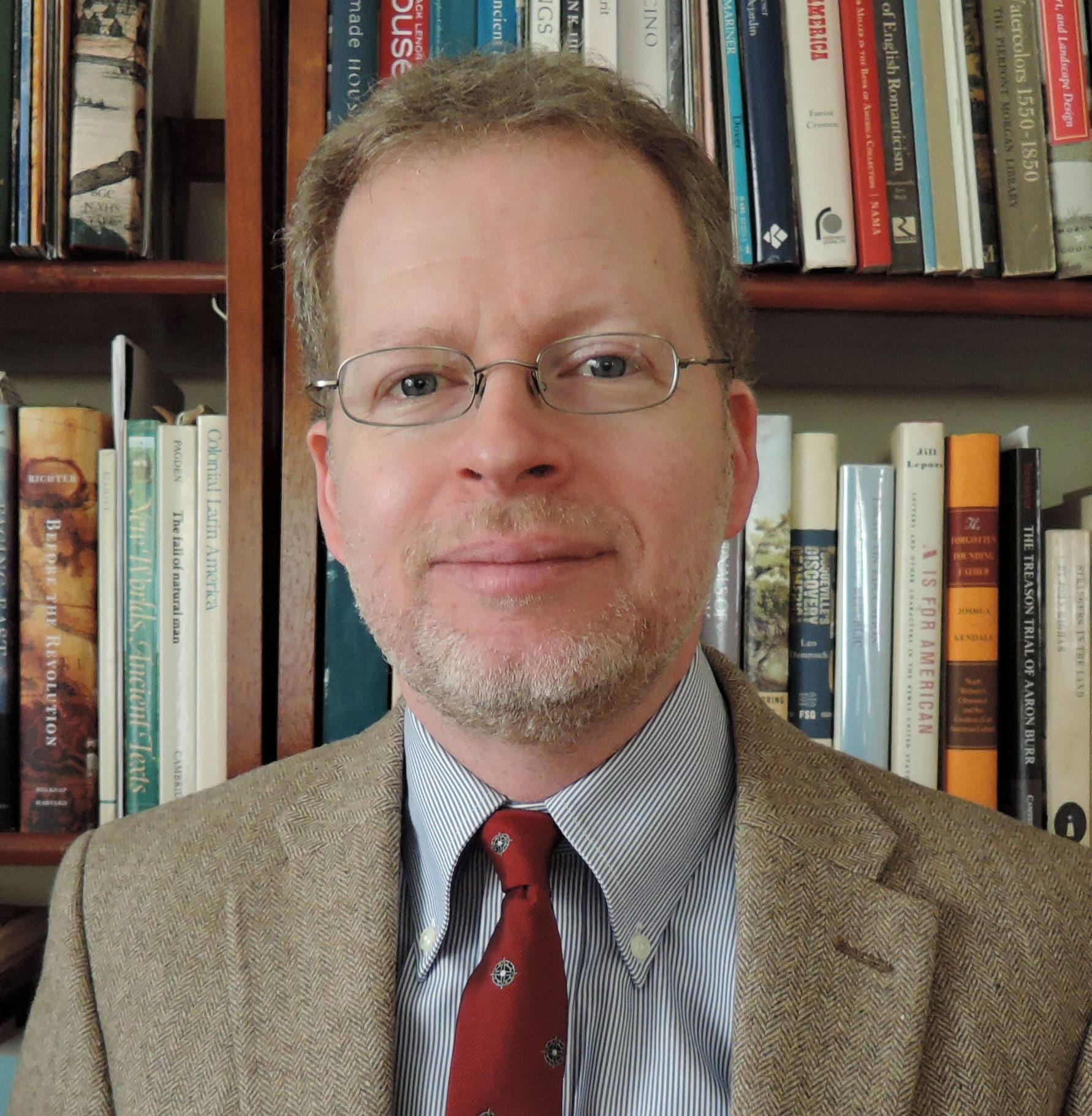
John H. Pollack
John H. Pollack is Library Specialist for Public Services at the Kislak Center for Special Collections, Rare Books and Manuscripts at the University of Pennsylvania, a position he has held …
Course Evaluations
Course History
- 2021
Roger Chartier and John H. Pollack teach this course online (10 hours).
- 2016
Roger Chartier and John H. Pollack teach the in-person version of this course, “Textual Mobilities: Works, Books & Reading Across Early Modern Europe,” for the first time.