
Course Description
To the extent possible in a week, the class will attend to the full lifecycle of handpress-era books, from the practices of early printers, booksellers, binders, and readers to the activities of the modern antiquarian dealers, collectors, and institutions, that preserve them for us today. The technical language and techniques of bibliography will stand alongside the toolkit of the historian—and the modern genealogist—to help us identify and understand traces of human agency in books, traces that give us purchase on some of the central questions of the humanities: what in culture have people valued and how and why have they valued it?
Participants will study a wide range of printed media in person and in online facsimile, from slim pamphlets of poetry and propaganda to pulpit Bibles and imposing multi-volume travel narratives. Students will even look at things that hardly qualify as books at all: posters, handbills, and printed forms. Along the way, the class will find a lot of manuscript material, too. Sessions will focus on identifying and interpreting different types of evidence: traces of the printing process itself; printing surfaces (mostly paper); bindings and housings; repairs; marks of ownership; annotations; and other types of inscriptions, including those by librarians and members of the book trade.
There will be opportunities in the curriculum for participants to work with books that they select themselves, and those hoping to dedicate time to their own research at the Ransom Center are invited to extend their visit.
Faculty
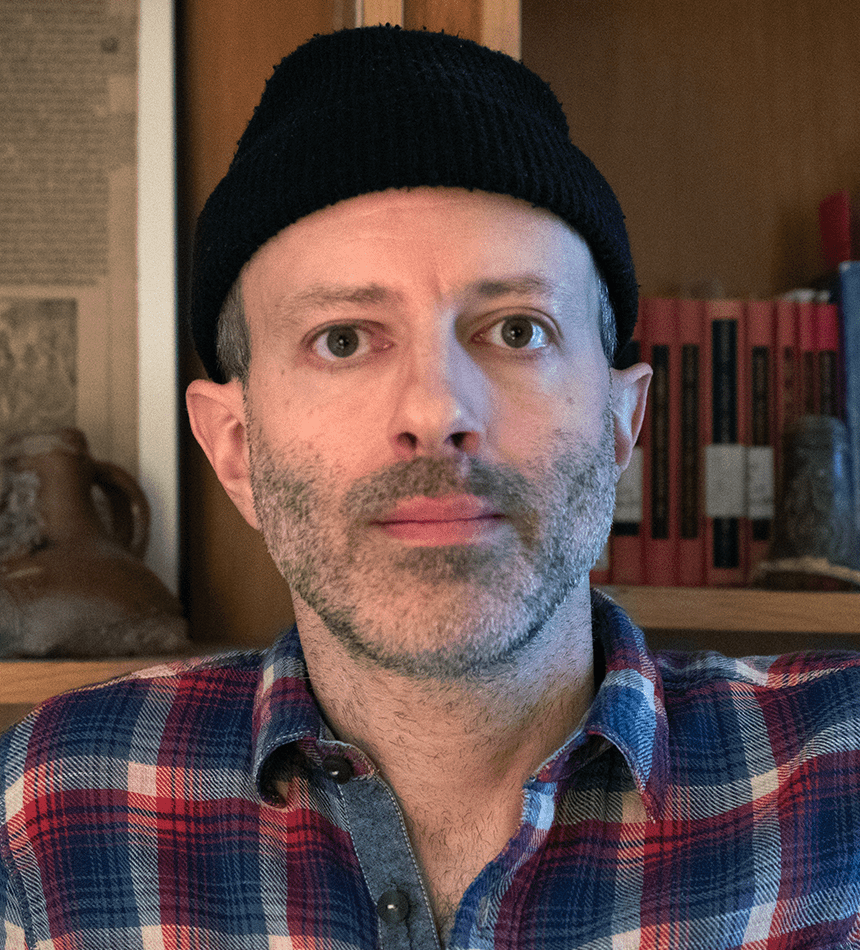
Aaron T. Pratt
Aaron T. Pratt is Carl and Lily Pforzheimer Curator of Early Books and Manuscripts at the Harry Ransom Center, a special collections library, archive, and museum at The University of …
Course History
-
2026–
Aaron T. Pratt teaches this course.