
Course Description
The study of medieval manuscript fragments has developed into its own specialization in recent years, incorporating paleography, codicology, liturgiology, musicology, textual studies, art history, bibliography, provenance, and digital humanities, among other disciplines. Hundreds of North American collections house early fragments, whether binding waste, cuttings, or single leaves, and most of these are in need of effective description to facilitate discoverability. In this weeklong class—intended primarily for catalogers, curators, and librarians—we will focus on cataloging and discoverability. Topics include best practices in fragment-centric metadata modeling (MARC, ContentDM, TEI, Fragmentarium, and others); the benefits of IIIF embedded viewers; working with IIIF JSONs and manifests; conservation best practices; in situ vs. ex situ fragments; the ethics of collecting fragments; and a survey of the history of biblioclasm and the North American corpus of single leaves and binding fragments. Participants will learn how to interpret the layers of evidence in early manuscript fragments—identifying the original text, understanding its reuse, and tracing its modern history—in order to understand the complete story of a fragment from its origins to today.
Over the course of the week, students will have the opportunity to apply the methods and methodologies of fragmentology to their fragment(s), and share their progress and results with the class. If necessary, the instructor will facilitate temporary IIIF-hosting of images supplied by students. The course will combine lectures, show-and-tell, discussion, and group problem-solving break-out sessions.
Students should come to class with a fragmentological problem they wish to explore (for example, a mystery fragment or a series of related fragments) and have access to images of the fragment(s). Applicants’ personal statements should include a description of the problem and the status of related images.
Faculty
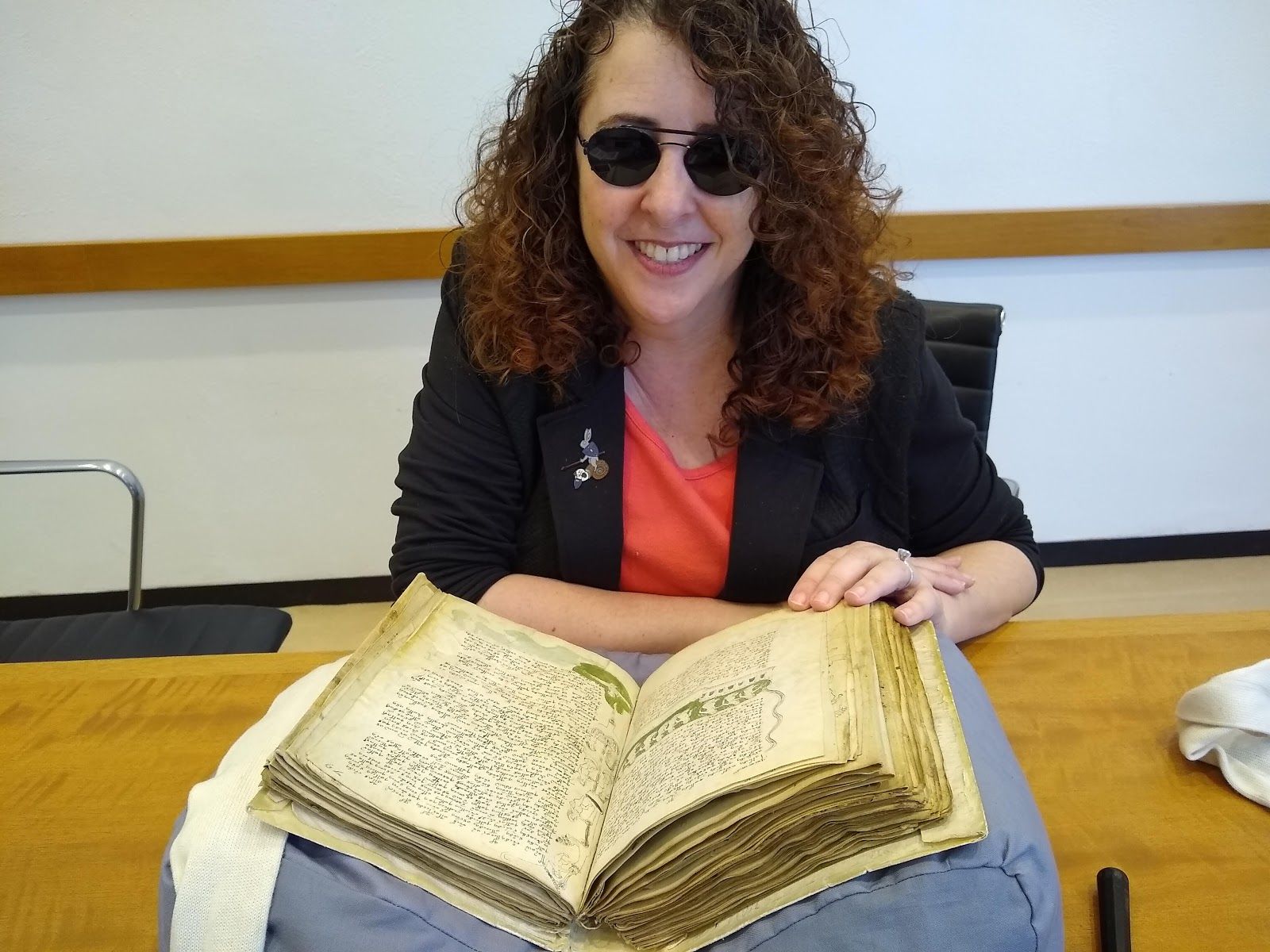
Lisa Fagin Davis
Lisa Fagin Davis received her Ph.D. in Medieval Studies from Yale University in 1993. She is a paleographer, codicologist, and bibliographer with a particular interest in pre-1600 manuscript fragments and …
Course Evaluations
Course History
-
2024–
Lisa Fagin Davis teaches this course in person.