
Course Description
While rare book and special collections libraries are associated with antiquarian, hand-press books, these collections increasingly include twentieth- and twenty-first-century materials that are not “rare” in the traditional sense of the word. While these materials are more suited to description with RDA rather than one of the Descriptive Cataloging of Rare Materials (DCRM) manuals, they still have unique features and challenges that require a different cataloging perspective than is found in general collections cataloging.
This class is intended for catalogers who are or will be working with modern special collections, regardless of experience with hand-press books and DCRM(B), and it will focus on applying RDA with a special-collections inflection. While the emphasis will be on twentieth- and twenty-first-century materials, there will be some discussion of late nineteenth-century materials and how describing them with RDA compares to describing them with DCRM(B). Topics include:
- application of RDA, especially the “rare materials” options
- transcription and physical description (including bindings)
- notes, both general and copy-specific
- edition, impression, issue, and state as they relate to modern materials
- controlled vocabularies, including subject headings, genre/form terms, and relationship designators
- copy cataloging and evaluating existing records
- overviews of specific material types, including ephemera, limited edition books, prepublication books, and comics
The course is restricted to practicing catalogers with experience in applying RDA or AACR2 in MARC 21. No prior experience with rare books or special collections is necessary or expected. The focus of the course will be on monographic cataloging; while there will be a brief foray into materials that can be cataloged as serials, the course will not offer in-depth serials instruction or instruction in non-monographic formats or manuscript materials.
Note on RDA: This course will be based on RDA as it appears in the original toolkit, NOT the official toolkit; while PCC officially began adoption of the official toolkit in May 2024, the rolling adoption period will not end until April 2027, during which time many institutions will still be using the original toolkit.
Application Requirements: In their personal statements, applicants should describe their experience creating MARC bibliographic records according to RDA or AACR2 and the types of materials they will be expected to catalog with RDA. In addition, applicants are required to submit three typical bibliographic records of materials they are cataloging. The submissions may be original or copy cataloging; if the latter, please submit before-and-after versions or an explanation of changes made to the records. The three bibliographic records should be submitted as PDFs and may be combined into a single file.
Faculty
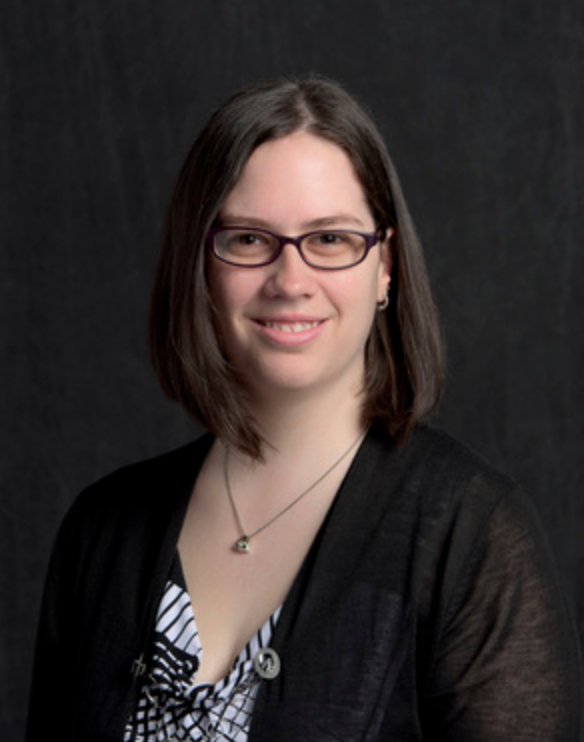
Brenna Bychowski
Brenna Bychowski is a Catalog/Metadata Librarian at the Beinecke Rare Book & Manuscript Library at Yale University, where she creates catalog records for a broad range of material, with a …
Advance Reading List
Bring to Class
The class will involve substantial hands-on cataloging practice, so you will need to bring:
- Wi-Fi-enabled laptop or tablet
- RBS will provide information on accessing UVA’s Wi-Fi network
- Most cataloging for class will be done using templates in Google Drive
- Log-in credentials for RDA
- Log-in credentials for other tools you might find useful, including Connexion and ClassWeb
Advance Work
Before class, please read:
- The introduction to RDA, sections 0.0-0.10
- The introduction to Descriptive Cataloging of Rare Materials (Books), sections I, III, IX, and X
While reading, think about the objectives and principles identified for both standards (How are they different? How are they the same?) and what they assume about the users of library materials.
There will also be a pre-class cataloging exercise; details will be shared several weeks in advance of class.
Course Evaluations
Course History
-
2024–
Brenna Bychowski teaches this course in person in Charlottesville, VA.