
Course Description
Media archives present a unique and invaluable world of historical and cultural content captured on an array of aging and obsolete audio, video, and film formats that present unique preservation challenges. Unlike paper, audiovisual media has a very limited lifespan and requires specialized knowledge to safely and accurately evaluate, describe, conserve, replay, and reformat it for preservation and access.
This class will be particularly helpful for collectors, students, librarians, and archivists who plan to or are currently working with media in their collections, but who are stymied by the lack of opportunities to gain the education and experience required to facilitate a coordinated or comprehensive response to unlock their collections’ content and ensure its longevity.
Through selected readings, lectures, class discussions, special guests, and demonstrations of AV formats, mold cleaning, film inspection, and tours of preservation studios, students will:
- gain an understanding of the history of sound, television, and film technologies and how they work.
- learn how to identify media types found in archival collections, including wax cylinders, discs (instantaneous, radio transcription, 78rpm, 45rpm and LPs), magnetic tape (open-reel, cassette, DAT, videotape), and optical discs (CD, CD-R, DVD, DVD-R, BluRay), as well as 8mm, Super 8, and 16mm (nitrate, acetate, and polyester-based) motion-picture film.
- understand the risks inherent in each type, such as technological obsolescence and physical decomposition due to aging and environment, and learn how to identify and treat common problems like delamination, sticky-shed syndrome, mold, vinegar syndrome, and disc rot.
- learn what methods of cleaning are recommended for each media type.
- learn how to conduct a preservation survey.
- learn how to plan and manage a preservation project. Accomplishing this objective will include evaluating what solution is best for their collection, learning how to select and work with a preservation vendor, discerning standards for physical and digital storage to ensure the content’s long-term viability, seeking grant funding, and managing a preservation and access project.
- attain an understanding of copyright laws that apply to the preservation and access of audiovisual recordings.
In their personal statements, applicants are encouraged to share information about their experience working with audiovisual materials and specific audiovisual collection challenges they are currently facing within their collections. Applicants should also include a description of their professional education and work experience.
Faculty
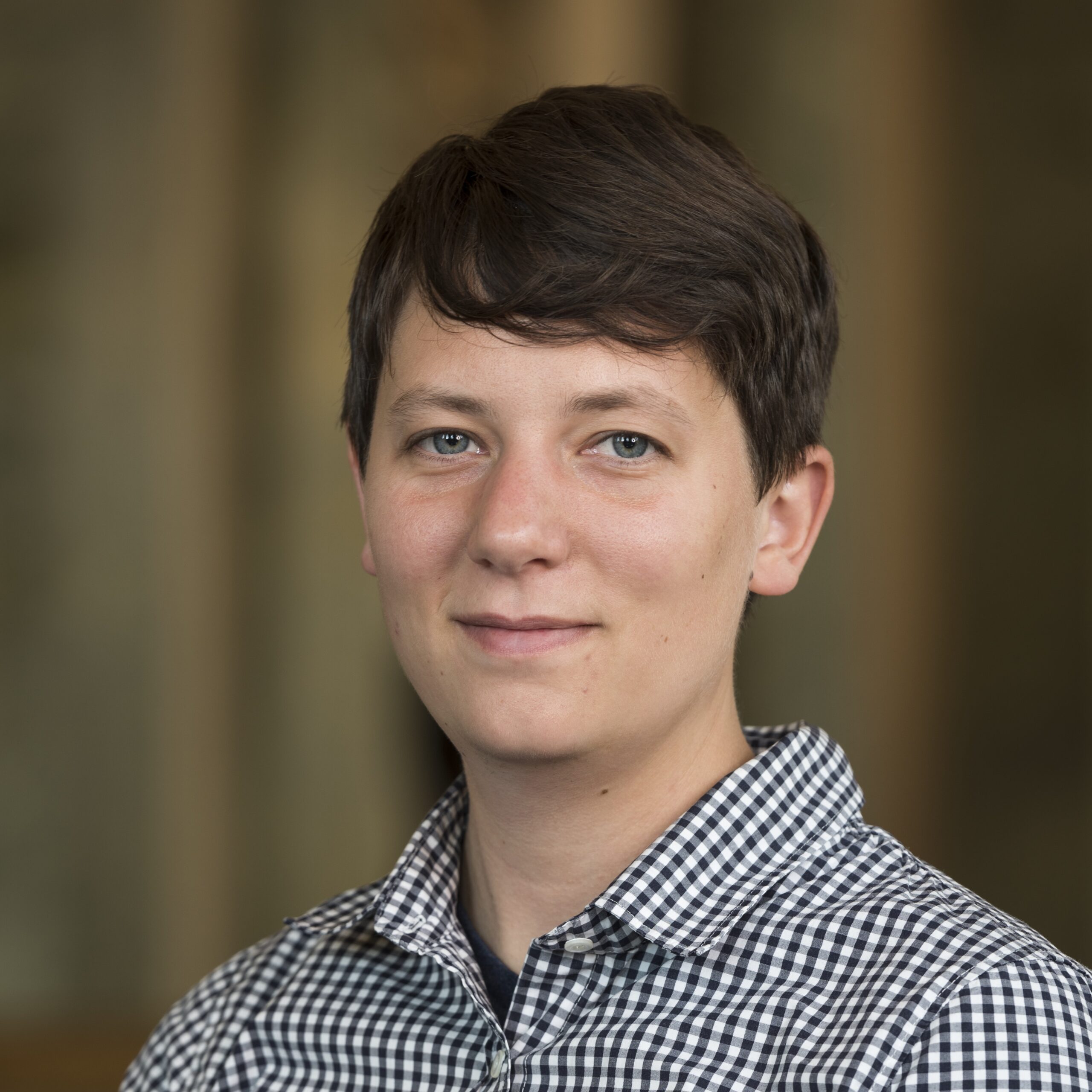
Erica Titkemeyer
Erica Titkemeyer is Archives Systems and Technology Manager at GBH Media Library and Archives. From 2021 to 2023, they were Associate Head of Repository Services for UNC Libraries at the …
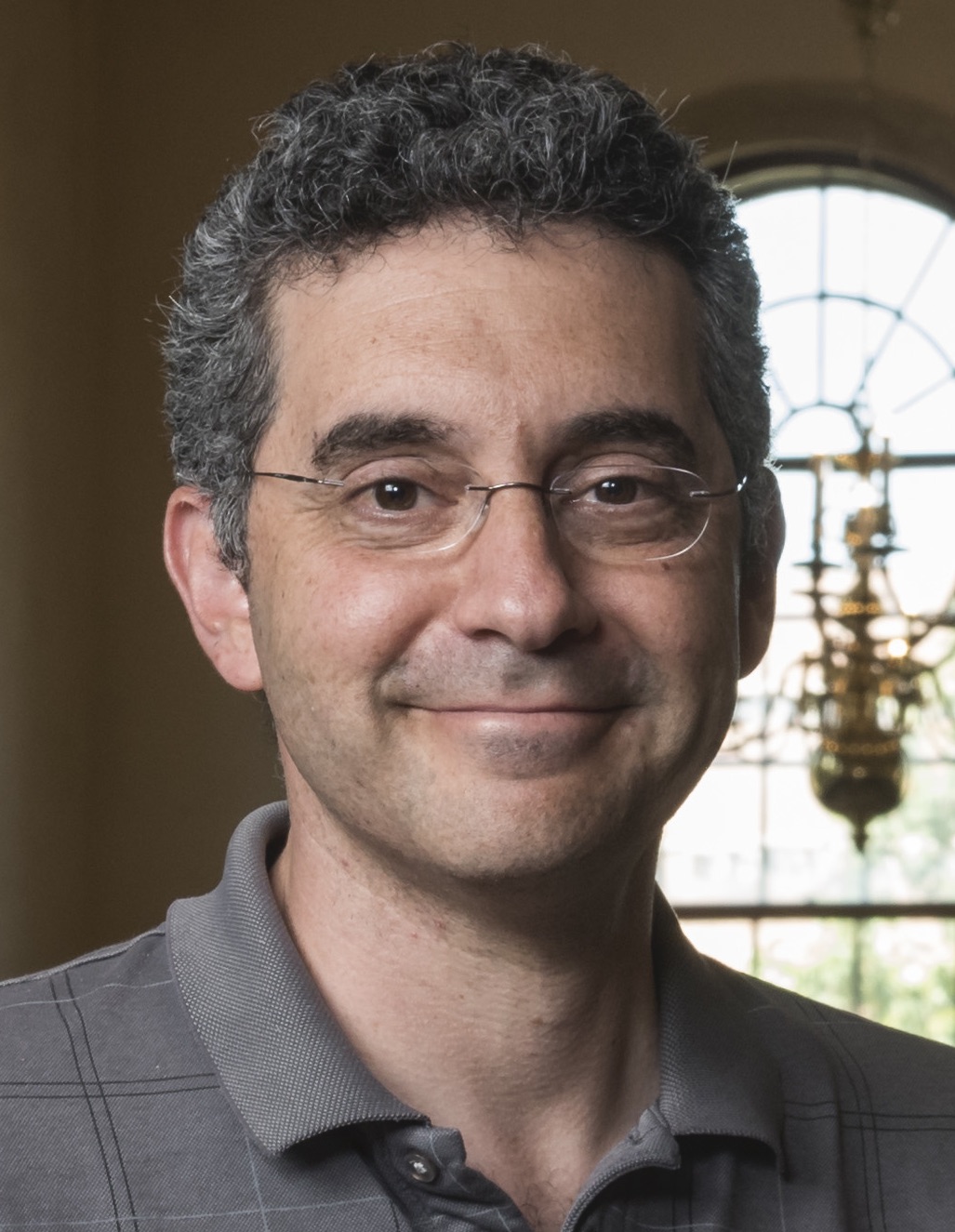
Steve Weiss
Steve Weiss is Interim Music Librarian for the UNC Music Library and Curator of UNC Chapel Hill Library’s Southern Folklife Collection, one of the nation’s foremost archives dedicated to American …
Advance Reading List
Preliminary Advices
Our reading list is a list of recommended readings, general resources, and standards of practice. Please read IASA-TC 03, marked as essential (***), and as many of the remaining items as your time and/or interest indicates. It is NOT expected that you read every work on this list.
History of AV Technology
Barry, Robert. Compact Disc. New York: Bloomsbury Academic. 2020.
Tuhus-Dubrow, Rebecca. Personal Stereo. New York: Bloomsbury Academic. 2017.
Enticknap, Leo. Moving Image Technology. London, UK: Wallflower. 2005.
Katz, Mark. Capturing Sound. Berkeley: University of California Press. 2010.
Magoun, Alexander B. Television: The Life Story of a Technology. Baltimore: Johns Hopkins University Press. 2009.
Milner, Greg. Perfecting Sound Forever: An Aural History of Recorded Music. New York: Faber and Faber, Inc., 2009.
Morton, David L. Jr. Sound Recording: The Life Story of a Technology. Baltimore: Johns Hopkins University Press. 2004.
National Film Preservation Foundation. Film Preservation Guide: The Basics for Archives, Libraries and Museums. San Francisco: National Film Preservation Foundation, 2004.
Newman, Michael Z. Video Revolutions: On the History of a Medium, New York: Columbia University Press, 2014.
Thompson, Daniel. Understanding Audio. Boston: Berklee Press. 2005.
AV format identification and conservation
Association for Recorded Sound Collections, Council on Library and Information Resources, National Recording Preservation Board of the Library of Congress.
ARSC Guide to Audio Preservation. CLIR Publication 164. 2015
Cocciolo, Anthony. Moving Image and Sound Collections for Archivists. Chicago: Society of American Archivists. 2017.
International Association of Sound and Audiovisual Archives Technical Committee:
- ***IASA-TC 03: The Safeguarding of the Audio Heritage: Ethics, Principles and Preservation Strategy. Version 4, December 2017.
- IASA-TC 04: Guidelines on the Production and Preservation of Digital Audio Objects. Second edition, 2009.
- IASA-TC 05: Handling and Storage of Audio and Video Carriers, edited by Dietrich Schüller and Albrecht Häfner. First edition, 2014.
- IASA-TC 06: Guidelines for the Preservation of Video Recordings, edited by Carl Fleischhauer and Kevin Bradley. First edition, 2019.
National Film Preservation Foundation. Film Preservation Guide: The Basics for Archives, Libraries and Museums. San Francisco: National Film Preservation Foundation, 2004.
Schuller, Dietrich. “Audio and video carriers.” EU Commission Project TAPE. February 2008.
“Technical Preservation Handbook.” National Film and Sound Archive of Australia. Accessed January 11, 2021.
Teper, Jennifer et al. “Collection ID Guide.” Preservation Self-Assessment Program. Accessed January 11, 2021.
Texas Commission on the Arts. “Videotape Identification and Assessment Guide.” Accessed February 10, 2025.
Wheeler, Jim. “Videotape Preservation Handbook”. Accessed February 10, 2025.
Digitization Project Planning
Blewer, Ashley. “Pragmatic Audiovisual Preservation.” DPC Technology Watch Report. Digital Preservation Coalition. 2020.
De Stafano, Paula et al. “Digitizing Video for Long-term Preservation: an RFP Guide and Template.” Barbara Goldsmith Preservation & Conservation Department. New York University Libraries, 2013. https://guides.nyu.edu/ld.php?content_id=24817650
Lacinak, Christ et al. “Fundamentals of AV Preservation.” Northeast Document Conservation Center, 2017. https://www.nedcc.org/av-textbook
Copyright and Fair Use
Bamberger, Robert, and Samuel Brylawski. The state of recorded sound preservation in the United States: a national legacy at risk in the digital age. Washington, DC: Council on Library and Information Resources, 2010.
Besek, June M. Copyright issues relevant to digital preservation and dissemination of pre-1972 commercial sound recordings by libraries and archives. Washington, DC: Council on Library and Information Resources, 2005.
Besek, June M. Copyright and related issues relevant to digital preservation and dissemination of unpublished pre-1972 sound recordings by libraries and archives. Washington, DC: Council on Library and Information Resources, 2009.
Besser, Howard et al. “Video at Risk: Strategies for Preserving Commercial Video Collections in Libraries: Section 108 Guidelines.” New York University Libraries, 2012.
“Code of Best Practices in Fair Use for Academic and Research Libraries.” Association of Research Libraries, 2012.
Sag, Matthew. “Predicting Fair Use.” Ohio State Law Journal 73, no. 1 (2012): 47–91.
“Special Issue on Special Collections and Archives in The Digital Age.” Research Library Issues 279 (2012).
Urban, Jennifer. “How Fair Use Can Help Solve the Orphan Works Problem.” Berkeley Technology Law Journal 27, no. 1379 (2012).
US Copyright Office. The Music Modernization Act | U.S. Copyright Office. 2018.
Course Evaluations
Course History
-
2022–
Erica Titkemeyer and Steve Weiss co-teach this course in person at the University of North Carolina at Chapel Hill.
-
2021
Erica Titkemeyer and Steve Weiss co-teach this course online (22 hours).