
Course Description
This course is intended for library catalogers who have mastered the basics of cataloging rare printed monographs according to Descriptive Cataloging of Rare Materials (Books), and wish to solidify their expertise and receive specialized guidance in applying those skills. It is particularly suitable for those who have successfully completed Rare Book Cataloging (L-30).
The bulk of class time will be spent on full-level DCRM(B) cataloging of uncataloged rare printed monographs, using OCLC’s Connexion client, with plenty of opportunity for questions, discussions, and correction. The course is not advanced in the sense that students will be given especially problematic materials to catalog; in this “advanced workshop,” students and instructor alike will be looking at the materials together for the first time, discovering problems (if any) and deciding on approaches. Students will create full catalog records complete with name, subject, genre/form and geographic access points, and applicable name authority records, all in the context of a real-life rare book cataloging operation. Completed records will be added to Hamnet, the Folger’s online catalog.
Although there are plenty of clear-cut, right-and-wrong ways to do things, much of the delight and challenge of cataloging derives from choosing the best way when the situation is ambiguous, anomalous, or just plain confusing. To that end, students should expect to participate in a collaborative environment.
In their personal statements, applicants should describe their experience in DCRM(B) cataloging and submit 3 sample DCRM(B) bibliographical records. If submitting copy cataloging records, please include bef0re-and-after versions. Applicants are also invited to discuss the types of materials they would like to concentrate on, which the instructor will make every attempt to accommodate.
Bring to class:
- DCRM(B), in one or more of the following forms:
- Electronic access, either PDF (color cover) or through Cataloger’s Desktop
- Hard copy of 3rd printing (2011)—final page number is ‘235’—either as published by the Library of Congress or as a freely-available printed PDF (color cover). NB: even if you have electronic access or the published version, you may find it helpful to bring a printed PDF in a binder; great for annotating
- Wi-Fi-enabled laptop, with OCLC Connexion client loaded. Connexion authorization and password for the class will be provided onsite
- Questions about specific titles in your own collections, including the books themselves if desired. The Folger will provide a secure, climate-controlled environment for them
- Any readings you wish to discuss in class
Faculty
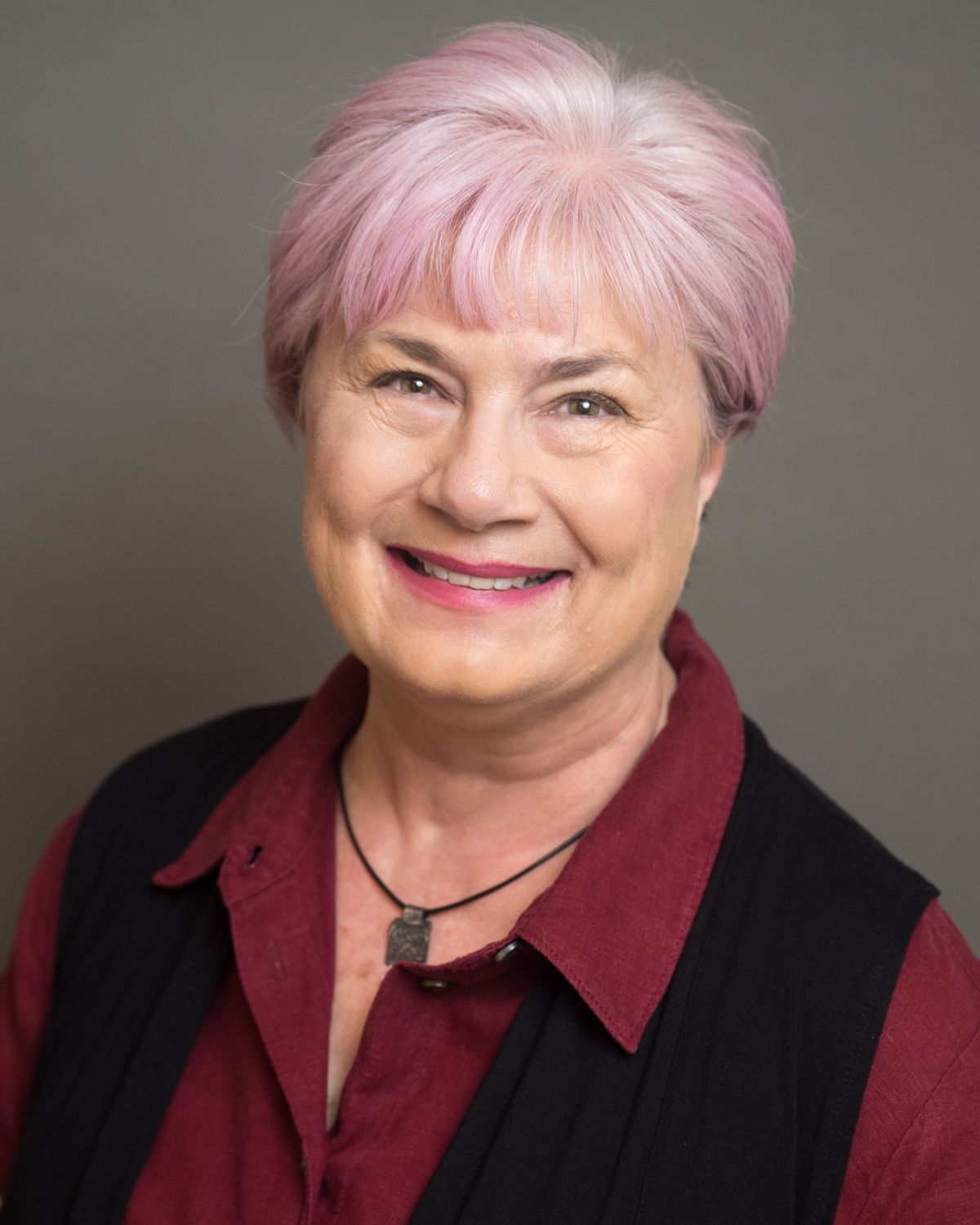
Deborah J. Leslie
Deborah J. Leslie is Senior Cataloger at the Folger Shakespeare Library, before which she held positions as Rare Book Cataloger at Yale University and the Library Company of Philadelphia. She …
Advance Reading List
Recommended Reading
Ascher, James P. “Progressing Toward Bibliography.” In RBM: A Journal of Rare Books, Manuscripts, and Cultural Heritage 10:2 (2009): 95–110.
Bennett, Stuart. Trade Bookbinding in the British Isles 1660–1800. New Castle, DE: Oak Knoll Press / London: British Library, 2004.
Gaskell, Philip. A New Introduction to Bibliography. Oxford: Clarendon Press, 1972, rev 1974, &c. 2009 reprint (Winchester: St Paul’s Bibliographies / New Castle, DE: Oak Knoll Books).
Leslie, Deborah J. and Benjamin Griffin. “Transcription of Early Letter Forms in Rare Materials Cataloging,” 2003. A discussion paper prepared for the DCRM Working Conference.
Tanselle, G. Thomas. “The Bibliographical Concepts of Issue and State.” In Papers of the Bibliographical Society of America 69:1 (1975): 17–66.
Tanselle, G. Thomas. “The Concept of Format.” In Studies in Bibliography 53 (2000): 67–116. Available online at http://xtf.lib.virginia.edu/xtf/view?docId=StudiesInBiblio/uvaBook/tei/sibv053.xml.
Course Evaluations
Course History
-
2014
The course title is changed to “Advanced Rare Book Cataloging Workshop.”
-
2013
Deborah J. Leslie teaches this course for the first time, as “Advanced Rare Book Cataloging.”